From Playful Learning to Playful Generation
How can play help shape the future of learning, wellbeing and communities? This question is at the heart of one of Kolding School of Design’s research programmes, which is now changing its name from Playful Learning to Playful Generation.
The name change marks an important development in the programme’s focus. Whereas the research has previously centred primarily on learning in schools and educational settings, it will now expand to explore the role of play across people’s lives and across generations.
Where the design of play has often been associated mainly with children, the programme will now also encompass young people and adults, while taking an interest in intergenerational perspectives.
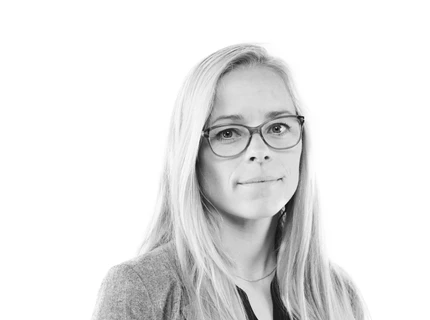
- We already know that design for play can enhance creativity, engagement and wellbeing among children and students. With Playful Generation, we will explore how play can play a greater role in everyday life and in relationships between generations – now and in the future, explains Helle Maria Skovbjerg, Professor at the LAB for Play Design at Kolding School of Design.
Play and design should challenge ingrained habits
The programme builds on a broad understanding of play as something that concerns not only children, but also young people, adults and older generations. The research therefore investigates how play can foster joy, collaboration and courage in everyday life – and how educational and social contexts can be shaped to better support play.
At the same time, Playful Generation carries a critical dimension.
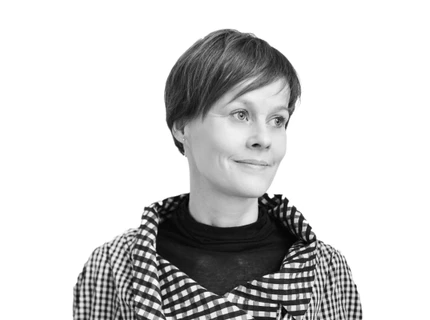
- Through Play Design, we aim to challenge established structures in areas such as schools, special needs education and family life through a critical lens. The ambition is to design new ways of organising everyday life and relationships, where play is not merely a means to learning but is recognised as a value in its own right. This requires us to break down practical and habitual barriers and make space for playful innovation, adds Anne-Lene Sand, Associate Professor at the LAB for Play Design and Head of the research programme.
According to Anne-Lene Sand, this critical perspective is essential because it opens up alternatives and new ways of addressing challenges and organising everyday life – whether in transitions in children’s lives, inclusive communities for neurodivergent individuals, or relationships between colleagues.
For example, she points out that educators often have little opportunity to engage in play themselves, as their daily routines are too tightly structured. The programme therefore also aims to contribute to a broader societal discussion about how the frameworks of everyday life affect the possibilities for play. Design and Play Design can offer new formats, new approaches and new ways of understanding and shaping practice.
A new language for play is needed
Another key theme for the researchers is the need for a professional language around play.
- Professionals should be able to set requirements for the conditions of play in the same way as they do for learning, care or language. Play must not be reduced to a break-time activity, leisure or ‘something extra’; it should be recognised as a professional approach that requires frameworks, attention and qualification, argues Anne-Lene Sand.
An ambition for a more playful future
The programme works with design methods to develop new practices that can help professionals prioritise play in their work. In this way, the researchers aim not only to strengthen individual learning environments, but to contribute to broader societal development.
The goal is to cultivate generations who dare to approach life playfully – thereby creating stronger connections between play, education, community and society.